

Terraport Burn Activity Shows Consistent Network Momentum

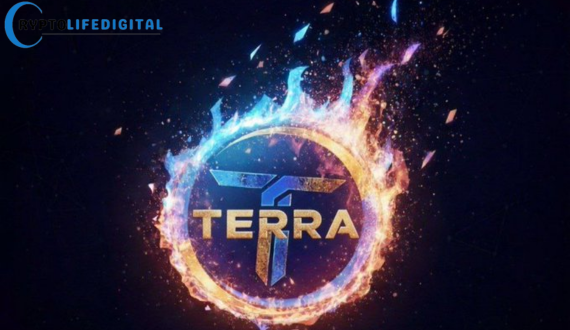
Terraport’s weekly report highlights a steady continuation of its burn mechanism, reinforcing confidence in the platform’s long term design. The system remains closely tied to real on chain activity, ensuring that token reduction is not artificial but driven by genuine usage. This approach strengthens the credibility of the burn model and aligns incentives between traders, stakers, and long term participants within the ecosystem.
Read Also: CME Futures Signal a New Era for Cardano and Institutional Crypto Adoption
Weekly Burn Performance and Cumulative Impact
During the most recent reporting period, Terraport recorded a weekly burn of 254181.23 TERRA. This brings the total amount burned since the latest protocol update to 7962989.30 TERRA. While weekly figures may appear incremental, the cumulative effect is significant. Over time, sustained burns of this nature gradually reduce circulating supply, which is a critical component of long term token value dynamics when paired with consistent demand.
Trading Activity as the Engine of Burns
Trading volume on Terraport continues to play a central role in powering the burn mechanism. Each transaction contributes to token reduction, directly linking market participation with supply contraction. This creates a feedback loop where increased activity strengthens the burn rate, while higher utility attracts more users. Rather than relying on external interventions, the platform leverages organic usage as the primary driver of its deflationary process.
Read Also: Ripple and LMAX Group Deepen Institutional Finance Integration with RLUSD
Platform Fees and Ecosystem Sustainability
Beyond burns, platform fees generated through trading activity are reinvested into maintaining and expanding the ecosystem. These fees support infrastructure, ongoing development, and operational resilience. This model ensures that Terraport can sustain growth without compromising its core mechanics. By balancing deflationary pressure with reinvestment, the platform avoids short term extraction in favor of long term ecosystem health.
Dynamic Staking Rewards in LUNC
An important dimension of the Terraport model is its support for dynamic staking rewards distributed in LUNC. Stakers benefit from platform activity, aligning their interests with the overall success of the ecosystem. As trading volumes rise, staking incentives become more attractive, encouraging participation and reducing idle supply. This further enhances network stability and community engagement.
Strengthening the Terra Classic Ecosystem
As a decentralized application built around the Terra Classic environment, Terraport continues to demonstrate how structured incentives can drive recovery and growth. By combining consistent burns, fee based sustainability, and staking rewards in LUNC, the platform contributes to broader efforts to restore utility and confidence within the Terra ecosystem. Over time, this steady approach may prove more impactful than short lived spikes, positioning Terraport as a key driver of long term value creation.
Follow us on Facebook, Telegram, and Google News.
Dr. Olajide Samuel juggles the demands of medical studies with a passion for cryptocurrency. A seasoned blogger, Olajide shares his vast global knowledge of the crypto space, offering insights to enthusiasts. Despite his busy schedule, his commitment to crypto remains strong, and he actively seeks ways to contribute to its future.