

Cryptocurrency in Kenya: Legal Status, Regulations, Taxes & Compliance Guide (2026)

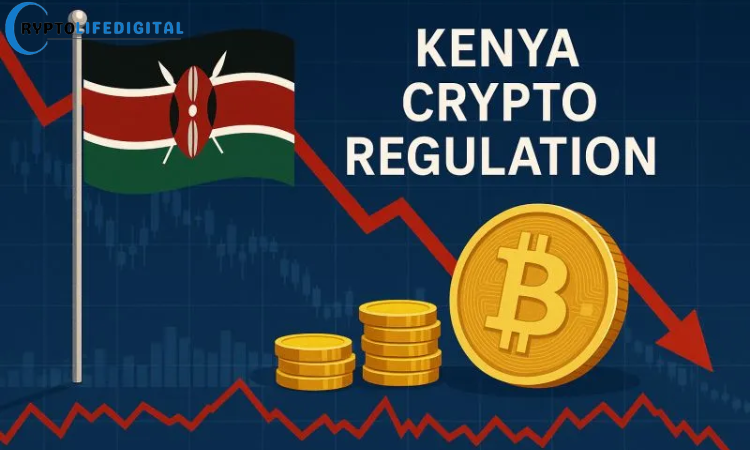
Kenya has emerged as one of Africa’s most active cryptocurrency markets, driven by strong mobile money adoption, a growing fintech ecosystem, and increasing demand for alternative financial systems.
From peer-to-peer (P2P) trading to stablecoin-based remittances, crypto usage in Kenya has expanded rapidly. However, the regulatory environment has also evolved significantly.
With the introduction of the Virtual Asset Service Providers (VASP) Act, 2025, Kenya has moved from a loosely regulated crypto space to a structured and legally recognized framework.
In this comprehensive guide, you’ll learn everything about cryptocurrency in Kenya, including its legal status, regulatory bodies, taxation, compliance requirements, and future outlook.
Read Also: Best Crypto Exchanges in Nigeria: Fees, Safety & P2P Features (2026 Guide)
Read Also: Crypto Licensing in Ghana, Kenya & South Africa
Read Also: Is Crypto Legal in Nigeria? Full Guide (2026 Update)
Is Cryptocurrency Legal in Kenya?
Yes, cryptocurrency is legal in Kenya, but it is not recognized as legal tender.
This means:
- You can buy, sell, and hold crypto assets like Bitcoin and Ethereum
- Crypto cannot be used as official money for payments
- There is no government guarantee or protection
For years, crypto operated in a regulatory gray area. The Central Bank of Kenya (CBK) had issued warnings highlighting risks such as volatility, fraud, and lack of consumer protection.
Today, Kenya has adopted a clearer approach:
Crypto is allowed but regulated, especially for businesses.
The Virtual Asset Service Providers Act, 2025
The VASP Act 2025 is the foundation of cryptocurrency regulation in Kenya.
Key Objectives of the Law
The Act aims to:
- Establish a legal framework for crypto operations
- Introduce mandatory licensing for crypto businesses
- Strengthen anti-money laundering (AML) compliance
- Protect users through transparency and oversight
Who Must Be Licensed?
Under the law, any entity providing crypto-related services must obtain a license, including:
- Cryptocurrency exchanges
- Wallet and custody providers
- Stablecoin issuers
- Brokers and trading platforms
This marks a major shift from unregulated activity to a compliance-driven ecosystem.
Key Regulators of Crypto in Kenya
Cryptocurrency regulation in Kenya involves multiple authorities:
Central Bank of Kenya (CBK)
The CBK regulates crypto activities tied to payments and financial systems, including:
- Custodial wallets
- Stablecoins
- Payment processing
It also ensures financial stability and monitors systemic risks.
Capital Markets Authority (CMA)
The CMA oversees crypto as an investment asset, including:
- Crypto exchanges
- Token offerings (ICOs)
- Investment-related platforms
It ensures investor protection and market transparency.
Kenya Revenue Authority (KRA)
The KRA handles all crypto-related taxation and compliance, ensuring that platforms and users meet their tax obligations.
Financial Reporting Centre (FRC)
The FRC enforces anti-money laundering rules, requiring crypto firms to monitor and report suspicious transactions.
Cryptocurrency Taxation in Kenya
Kenya’s crypto tax system has evolved into a more practical structure.
1. Digital Asset Tax (Removed)
In 2023, Kenya introduced a 3% tax on all crypto transactions, which applied to the full value of each trade. This policy was widely criticized and later repealed.
2. Current Tax: 10% Excise Duty on Fees
As of 2025:
- A 10% excise duty is applied to platform fees only
- Crypto transactions themselves are not directly taxed
- Exchanges and wallet providers collect and remit the tax
3. Income and Capital Gains Tax
Crypto earnings are still taxable:
- Trading profits → Income tax
- Investment gains → Capital gains tax
- Mining/staking → Income tax
Users are advised to maintain proper transaction records.
AML, KYC, and Compliance Requirements
Kenya now enforces strict compliance rules for crypto platforms.
Key Requirements
All licensed crypto providers must:
- Verify user identity (KYC)
- Monitor transactions
- Report suspicious activity
Prohibited Activities
The following are banned:
- Anonymous crypto transactions
- Use of mixers or privacy tools
- Hidden ownership of accounts
These measures align Kenya with global financial standards and reduce illicit activity.
Consumer Protection and Security
The VASP Act introduces safeguards, but risks still exist.
What Is Protected?
Licensed platforms must:
- Separate user funds from company funds
- Maintain sufficient reserves
- Provide transparency and disclosures
What Is NOT Protected?
- No government insurance for crypto holdings
- No guaranteed recovery in case of hacks or exchange failure
Users must still exercise caution and use trusted platforms.
Crypto Market Trends in Kenya
1. Strong P2P Trading Activity
Kenya ranks among the top countries globally in peer-to-peer crypto trading, driven by:
- Mobile money systems
- Easy access to crypto platforms
- High demand for alternative finance
2. Growth of Stablecoins
Stablecoins are widely used for:
- Cross-border payments
- Protecting value against currency fluctuations
They are a major driver of crypto adoption in Kenya.
3. Integration with Mobile Money
Crypto is gradually integrating with mobile money platforms like M-Pesa, opening doors for:
- Faster remittances
- Seamless digital payments
- Broader financial inclusion
Practical Implications for Users and Businesses
For Individuals
- Continue trading crypto legally
- Use licensed and secure platforms
- Complete identity verification (KYC)
- Track transactions for tax purposes
For Businesses
- Obtain a VASP license before operating
- Implement AML/KYC systems
- Ensure compliance with tax regulations
- Maintain transparency and customer protection
Crypto Activities in Kenya: Legal Overview
| Activity | Legal Status | License Required | Tax Treatment | Key Notes |
|---|---|---|---|---|
| Retail Trading | Allowed | No | Income/CGT on profits | Common among individuals |
| Crypto Exchanges | Regulated | Yes | 10% excise on fees | Must be licensed |
| P2P Trading | Allowed | No | Tax on gains | Higher risk |
| ICOs | Regulated | Yes | Taxed as income | Requires approval |
| Wallet Services | Regulated | Yes | Excise on fees | Must secure user assets |
| Remittances | Regulated | Yes | Tax on service fees | Growing use case |
Future of Cryptocurrency in Kenya
Kenya is positioning itself as a crypto and fintech hub in Africa.
With regulation in place, the country is expected to:
- Attract global crypto companies
- Increase investor confidence
- Reduce fraud and scams
- Expand blockchain innovation
The introduction of licensing and compliance frameworks marks the beginning of a more mature and secure crypto ecosystem.
Conclusion
Cryptocurrency in Kenya is no longer operating in uncertainty. With the Virtual Asset Service Providers Act, 2025, the country has established a clear and evolving regulatory structure.
Crypto remains legal, accessible, and growing, but the focus is now on compliance, transparency, and security.
For anyone involved in crypto in Kenya—whether as a trader, investor, or business—understanding these regulations is essential to staying compliant and maximizing opportunities in the digital economy.
Follow us on Facebook, Telegram, and Google News.
Dr. Olajide Samuel juggles the demands of medical studies with a passion for cryptocurrency. A seasoned blogger, Olajide shares his vast global knowledge of the crypto space, offering insights to enthusiasts. Despite his busy schedule, his commitment to crypto remains strong, and he actively seeks ways to contribute to its future.