

Ripple Strengthens Regulatory Influence with CFTC Appointment

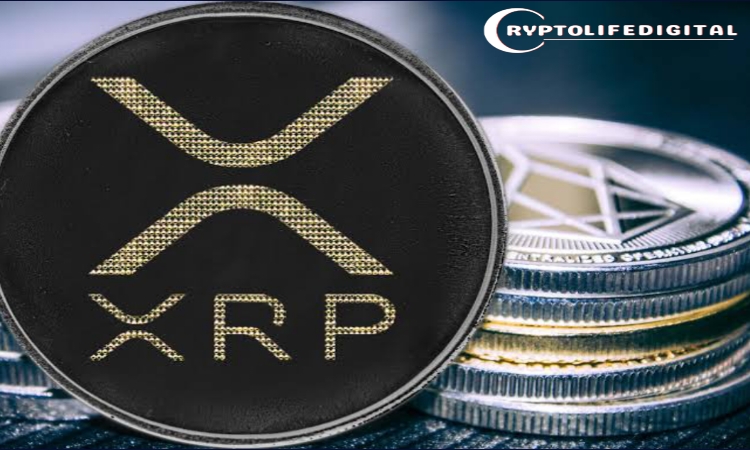
Ripple has entered a new phase in its relationship with United States regulators. On February 12, 2026, the U.S. Commodity Futures Trading Commission announced that Brad Garlinghouse would join its Innovation Advisory Committee. The 35 member panel advises the agency on emerging technologies including blockchain, artificial intelligence, and digital assets.
Read Also: Shiba Inu Expands Beyond Meme Status with Major Ecosystem Milestones
The appointment marks a notable shift for Ripple. After years of high profile legal battles with the Securities and Exchange Commission, the company is now positioned inside a regulatory advisory body that helps shape policy discussions. Garlinghouse joins representatives from major financial and crypto institutions, signaling a more collaborative era between parts of the digital asset industry and US regulators.
From Regulatory Conflict to Policy Influence
Ripple’s earlier clashes with regulators defined much of the narrative around XRP. The new advisory role suggests a transition from defensive legal positioning to proactive engagement in market structure discussions.
Participation in the committee gives Ripple a platform to contribute to conversations on derivatives oversight, digital asset classification, and innovation frameworks. Industry observers see this as a move away from the regulation by enforcement approach that characterized previous cycles. Greater clarity around compliance pathways could strengthen confidence among banks, payment providers, and institutional investors exploring blockchain integration.
Market Reaction and XRP Performance
The market responded quickly to the announcement. XRP posted gains of more than eight percent within 24 hours, briefly approaching 1.65 dollars before stabilizing. Trading activity reflected strong dip buying and renewed institutional attention.
Read Also: Cardano Announces Landmark LayerZero Integration
Price momentum alone does not confirm long term direction, but the reaction underscored how regulatory alignment can serve as a catalyst. Investors often view policy clarity as a prerequisite for deeper capital allocation into digital assets tied to enterprise use cases.
Institutional Vision for 2026
Ripple President Monica Long has outlined an ambitious outlook for 2026, predicting institutional adoption at scale. The company expects production level blockchain deployments across finance, with a meaningful share of Fortune 500 firms implementing digital asset strategies. Projections also suggest a portion of capital markets settlement activity could move onchain.
Within the XRP Ledger ecosystem, updates are focused on institutional decentralized finance capabilities. Planned features include native lending protocols, enhanced tokenization standards through Multi Purpose Tokens, confidential transaction capabilities, and permissioned domains for regulated participants. XRP remains central to this framework as a liquidity and collateral asset supporting cross border flows and tokenized financial products.
Conclusion
Ripple’s growing regulatory engagement combined with its institutional product roadmap reflects a strategic repositioning. By moving closer to policymakers while advancing enterprise grade infrastructure, Ripple is attempting to solidify XRP’s role in the next phase of digital asset adoption.
Follow us on Facebook, Telegram, and Google News.
Michael Onche: Crypto aficionado and seasoned analyst. With a keen eye for market trends and a passion for blockchain technology, he deciphers the intricacies of cryptocurrency with precision. Michael’s expertise and insightful content make him a trusted guide for navigating the dynamic world of digital assets.