

How Africans Use USDT for Cross-Border Transactions (2026 Complete Guide)

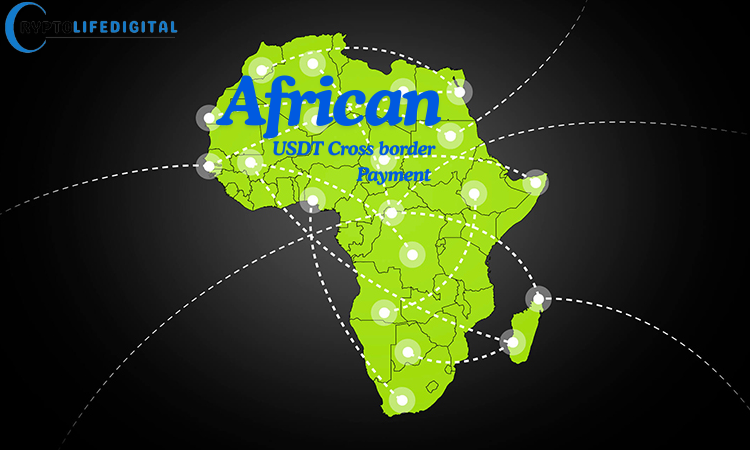
Cross-border payments in Africa have long been expensive, slow, and inefficient. Traditional systems often involve multiple intermediaries, high fees, and long settlement times.
Today, USDT (Tether) has emerged as a game-changing solution.
Across Africa, individuals, freelancers, and businesses are increasingly using USDT to send and receive money globally. From remittances to business payments, USDT is transforming how value moves across borders.
This guide explains how Africans use USDT for cross-border transactions, the systems behind it, real-world use cases, benefits, risks, and future trends.
Why USDT Is Dominating Cross-Border Payments in Africa
USDT has become the most widely used stablecoin in Africa due to its practical advantages.
Key Drivers of Adoption
- Limited access to foreign currency, especially US dollars
- High cost of international remittances
- Slow banking systems that take several days
- Currency volatility across many African economies
Stablecoins like USDT offer:
- Dollar stability
- Fast settlement
- Lower transaction costs
Stablecoins now account for a significant share of crypto activity across Africa, showing strong real-world usage beyond trading.
What Is USDT and Why It Matters
USDT is a stablecoin pegged to the US dollar, meaning its value closely tracks the dollar.
This makes it ideal for:
- Payments
- Savings
- International transactions
In Africa, USDT acts as a digital dollar that is accessible to anyone with a smartphone and internet connection.
Read Also: Best Crypto Exchanges in Nigeria: Fees, Safety & P2P Features (2026 Guide)
Read Also: Is Crypto Legal in South Africa (2026 Guide)
Read Also: How Nigerians Use Crypto for International Payments (2026 Complete Guide)
How USDT Cross-Border Transactions Work
The process is simple and efficient:
Step-by-Step Process
- A user buys USDT using local currency
- The USDT is sent to a recipient’s wallet
- The recipient receives funds within minutes
- The recipient converts USDT to local currency or keeps it
This system removes intermediaries and significantly reduces delays.
Key Use Cases of USDT in Africa
Remittances
USDT is widely used to send money across countries.
Example:
A user in Nigeria can send USDT to someone in Ghana or Europe within minutes, with lower fees than traditional methods.
Freelance and Remote Work Payments
Freelancers receive payments in USDT from global clients.
Common users include:
- Developers
- Designers
- Writers
- Digital marketers
Benefits:
- Fast payments
- Lower fees
- No platform restrictions
Cross-Border Trade and Imports
Businesses use USDT to pay suppliers in countries like China, the UAE, and Turkey.
This eliminates:
- Bank delays
- Foreign exchange challenges
- Payment restrictions
Business-to-Business Payments
Companies use USDT to:
- Settle invoices
- Pay partners
- Manage cross-border operations
Payroll and Global Hiring
Startups use USDT to pay remote teams worldwide.
Benefits include:
- Faster salary payments
- Reduced costs
- Access to global talent
E-commerce and Online Payments
USDT is used for:
- Buying digital services
- Paying for subscriptions
- International online purchases
This is especially helpful where local payment methods fail.
Role of Peer-to-Peer Networks
Peer-to-peer trading is central to USDT usage in Africa.
How It Works
Users buy and sell USDT directly with each other using:
- Bank transfers
- Mobile money
Importance
- Enables easy access to crypto
- Allows conversion between USDT and local currency
- Bypasses banking restrictions
Benefits of Using USDT for Cross-Border Payments
Speed
Transactions are completed within minutes
Low Fees
Costs are much lower than traditional remittance systems
Stability
USDT maintains a stable value linked to the US dollar
Accessibility
Anyone with a smartphone can participate
No Banking Barriers
No need for international bank accounts
Challenges and Risks
Regulatory Differences
Crypto laws vary across African countries
Peer-to-Peer Risks
Users must verify counterparties to avoid fraud
Conversion Challenges
Converting USDT to local currency can sometimes be difficult
Dependence on the Dollar
Heavy reliance on dollar-backed assets may have economic implications
USDT vs Traditional Cross-Border Payments
| Feature | USDT | Traditional Systems |
|---|---|---|
| Speed | Minutes | 2 to 5 days |
| Fees | Low | High |
| Accessibility | Global | Limited |
| Currency Stability | High | Varies |
| Requirements | Internet and wallet | Bank account |
Market Insights: USDT Adoption in Africa
| Metric | Insight |
|---|---|
| Stablecoin usage | High and growing rapidly |
| Cross-border usage | Major use case |
| User base | Millions across Africa |
| Growth trend | Strong upward trajectory |
These insights show that USDT is increasingly used as a real financial tool, not just for trading.
Real-World Example
A small business owner in Ghana importing goods:
- Buys USDT locally
- Sends payment to supplier abroad
- Supplier receives funds instantly
- No banking delays or currency issues
This approach saves time and reduces costs.
Trends Driving USDT Adoption in Africa
Rise of Stablecoins
Stablecoins are now central to crypto usage
Growth of Remote Work
More Africans are earning from global clients
Mobile-First Economy
Smartphones make crypto accessible
Trade Integration
Stablecoins are being used in regional trade systems
Frequently Asked Questions
Why is USDT popular in Africa
Because it provides stability, speed, and access to US dollars
Is USDT safe for payments
Yes, if used with secure wallets and trusted platforms
Can USDT be converted to local currency
Yes, through exchanges or peer-to-peer trading
How fast are USDT transactions
Most are completed within minutes
Final Verdict
USDT has become a critical tool for cross-border payments in Africa.
It is widely used for:
- Remittances
- Freelance payments
- Business transactions
- Trade settlements
Conclusion
USDT is transforming how money moves across Africa by offering faster, cheaper, and more accessible payment solutions.
It provides a practical alternative to traditional financial systems, especially in regions with limited banking access.
However, users must prioritize security, understand local regulations, and use trusted platforms to maximize the benefits of USDT in cross-border transactions.
Follow us on Facebook, Telegram, and Google News.
Cryptolifedigital is a cryptocurrency blogger and analyst known for providing insightful analysis and commentary on the ever-changing digital currency landscape. With a keen eye for market trends and a deep understanding of blockchain technology, Cryptolifedigital helps readers navigate the complexities of the crypto world, making informed investment decisions. Whether you’re a seasoned investor or just starting out, Cryptolifedigital’s analysis offers valuable insights into the world of cryptocurrency.