

LUNC Outlook Hinges on Burns Governance and Network Upgrades

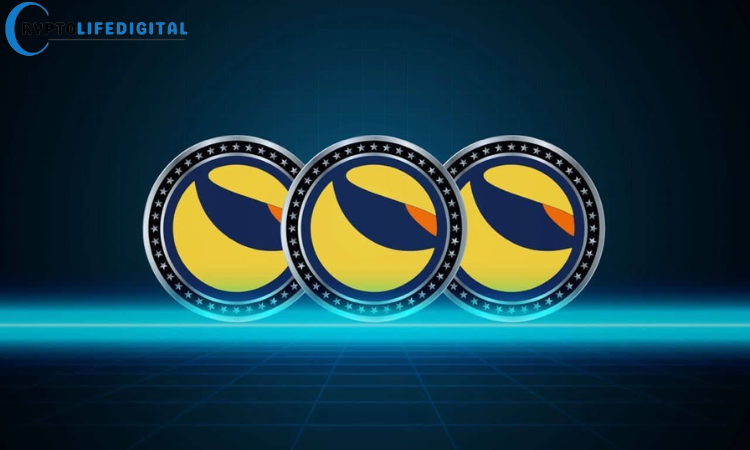
The price trajectory of Terra Luna Classic remains closely linked to supply reduction efforts, governance reform, and technical upgrades aimed at restoring long term credibility. Since the dramatic collapse of the original Terra ecosystem in 2022, the community behind Terra Classic has pursued an aggressive roadmap focused on rebuilding trust and improving network fundamentals.
Read Also: Ripple Expands Institutional Footprint Through Tokenization and Payments
While speculative volatility continues, core valuation drivers now revolve around measurable ecosystem progress rather than hype cycles alone.
Burn Mechanisms and Supply Reduction
One of the most influential factors affecting LUNC’s market outlook is the ongoing token burn initiative. With a circulating supply in the trillions, reducing supply remains central to any meaningful long term price appreciation. Community supported burn campaigns, including exchange assisted burns such as those backed by Binance, have removed substantial amounts of LUNC from circulation.
Governance discussions have also introduced proposals like Market Module 2.0 and Burn to Earn models. Market Module 2.0 aims to refine algorithmic mechanisms within the ecosystem to stabilize functionality and improve capital efficiency. Burn to Earn proposals, meanwhile, attempt to incentivize user participation by linking ecosystem activity to token destruction.
The success of these measures will largely determine whether LUNC can meaningfully contract supply over the next several years.
Feature Parity and Network Modernization
Another key priority for the Terra Classic community is achieving feature parity with Terra 2.0. This includes upgrading smart contract functionality, improving validator infrastructure, and maintaining compatibility with broader Cosmos based ecosystems.
Modernization efforts are designed to attract developers and restore decentralized application activity. Without sustained adoption and utility, burn mechanisms alone may not be sufficient to drive long term value growth.
Governance participation remains central to this process, as validators and token holders vote on upgrade proposals that shape the network’s direction.
Repayment Efforts and Ongoing Challenges
Recovery from the 2022 collapse is still unfolding. Claims and repayment processes have been managed through restructuring channels involving Kroll. While progress has been made in addressing creditor claims, the reputational damage from the collapse continues to influence investor sentiment.
Read Also: Coinbase Expands Crypto Backed Lending to Include ADA
Additionally, previous exchange delistings and the massive token supply remain structural challenges. Restoring broad exchange support and rebuilding confidence among institutional participants will require consistent execution and transparency.
Forecasts for 2026
Price forecasts for 2026 vary widely. Conservative projections assume modest appreciation tied to gradual burn progress and limited adoption growth. More optimistic scenarios envision significantly higher price ranges if burn targets are aggressively met, ecosystem development accelerates, and broader crypto market conditions improve.
Ultimately, LUNC’s long term valuation will depend on whether governance reforms, supply contraction, and renewed developer activity can converge to create sustainable utility rather than speculative momentum alone.
Follow us on Facebook, Telegram, and Google News.
Cryptolifedigital is a cryptocurrency blogger and analyst known for providing insightful analysis and commentary on the ever-changing digital currency landscape. With a keen eye for market trends and a deep understanding of blockchain technology, Cryptolifedigital helps readers navigate the complexities of the crypto world, making informed investment decisions. Whether you’re a seasoned investor or just starting out, Cryptolifedigital’s analysis offers valuable insights into the world of cryptocurrency.