

Ripple Enters 2026 With Expanding Institutional Momentum

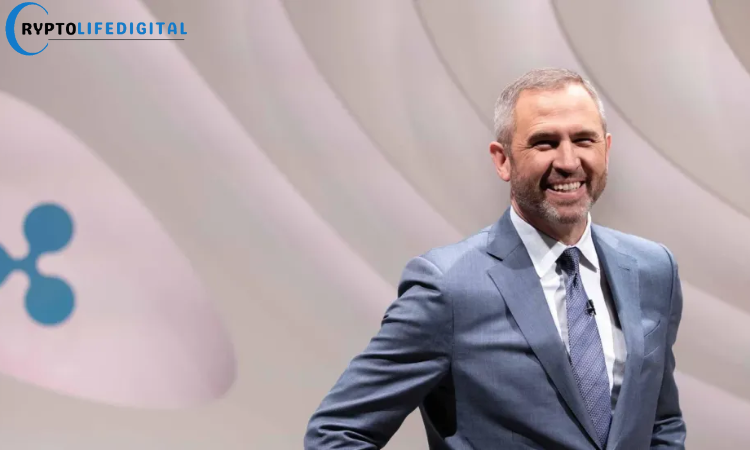
In a recent appearance with Maria Bartiromo, Brad Garlinghouse reflected on what he described as a transformative year for Ripple. As 2026 begins, the company is seeing increased engagement from corporate leaders who are moving beyond theoretical discussions about digital assets and toward strategic implementation.
Read Also: LUNC Outlook Hinges on Burns Governance and Network Upgrades
According to Garlinghouse, conversations with executives now center on execution. Boards and chief executive officers are actively encouraging chief financial officers and treasury teams to evaluate how blockchain based financial tools can enhance operational efficiency and global competitiveness.
Stablecoins Become a Strategic Corporate Tool
A major theme emerging from these discussions is the growing importance of stablecoins in corporate finance. Unlike highly volatile cryptocurrencies, stablecoins are typically pegged to fiat currencies, providing price consistency while retaining the speed and programmability of blockchain networks.
Corporate treasurers are examining how stablecoins can streamline cross border payments, improve cash flow management, and reduce reliance on slow correspondent banking systems. For multinational firms, settlement delays and currency conversion costs have long been operational pain points. Stablecoins offer near instant transfers and greater transparency, which can significantly improve treasury efficiency.
Garlinghouse emphasized that for corporates, stablecoins represent the most practical entry point into digital assets. They allow companies to access blockchain infrastructure without exposing balance sheets to significant market swings.
Boardroom Conversations Shift From Curiosity to Action
The tone of institutional engagement is evolving. Instead of asking whether blockchain will become relevant, many boards are now asking how quickly they can integrate it. Chief financial officers are being tasked with understanding compliance frameworks, custody solutions, and liquidity management strategies tied to digital assets.
Ripple’s enterprise focused approach positions it to support this shift. By providing infrastructure designed for regulated financial institutions, the company aims to bridge traditional banking systems with blockchain settlement networks.
This trend signals a broader maturation of the crypto industry. Institutional adoption is increasingly tied to measurable cost savings, risk management improvements, and operational agility rather than speculative investment narratives.
Real World Utility Drives the Next Phase of Growth
As 2026 unfolds, the emphasis on real world utility continues to shape market dynamics. Stablecoins are emerging as instruments for payroll processing, supplier payments, and international settlements, demonstrating tangible use cases beyond trading.
Read Also: Ripple Expands Institutional Footprint Through Tokenization and Payments
Ripple’s leadership believes that sustained growth will come from solving concrete financial challenges. With boards and executives prioritizing blockchain literacy and deployment strategies, institutional adoption appears poised to accelerate.
Conclusion
Ripple’s renewed visibility alongside Maria Bartiromo highlights the growing alignment between mainstream finance and blockchain innovation. As stablecoins become a gateway for corporates entering the digital asset space, the focus on institutional adoption and real world utility may define the next chapter of crypto’s evolution.
Follow us on Facebook, Telegram, and Google News.
Dr. Olajide Samuel juggles the demands of medical studies with a passion for cryptocurrency. A seasoned blogger, Olajide shares his vast global knowledge of the crypto space, offering insights to enthusiasts. Despite his busy schedule, his commitment to crypto remains strong, and he actively seeks ways to contribute to its future.