

Cardano Completes Its Transition to Decentralized Governance

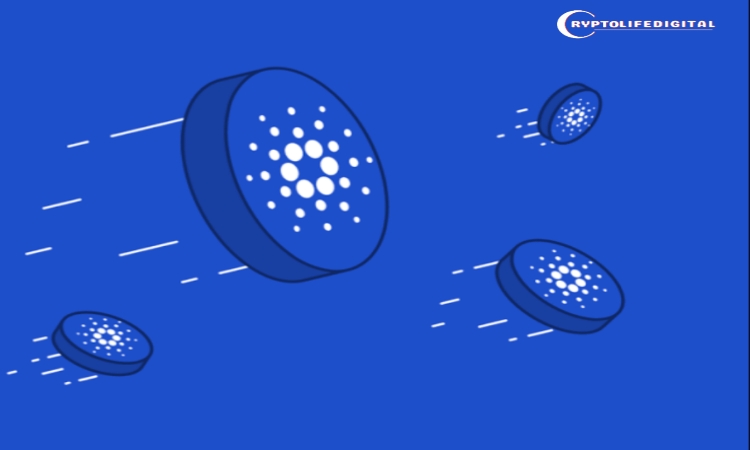
The Cardano ecosystem has officially marked twenty twenty five as the year it completed its transition into fully decentralized on chain governance. This milestone represents the full activation of the Voltaire era, a phase that places decision making power directly in the hands of the community. With governance frameworks now operational, Cardano positions itself as one of the most structurally decentralized blockchain networks heading into twenty twenty six.
Read Also: CME Expands Crypto Derivatives With Spot Quoted Futures
The Foundation for Community Led Decision Making
At the heart of this transition is the implementation of Delegated Representatives, commonly known as DReps. These representatives allow ADA holders to delegate their voting power to trusted participants, ensuring that governance remains inclusive without requiring constant direct participation. Alongside DReps, Cardano introduced accessible voting tools, clearer proposal processes, and improved transparency around decisions and treasury spending. These mechanisms have transformed governance from theory into daily practice across the ecosystem.
The Impact of the Plomin Hard Fork
Earlier in twenty twenty five, the Plomin hard fork served as the technical catalyst that enabled full community control. Following this upgrade, protocol changes, funding proposals, and policy decisions could only move forward through on chain voting. This marked a decisive shift away from founding entities toward collective stewardship. ADA holders gained real authority over the network’s evolution, reinforcing Cardano’s long standing commitment to decentralization and accountability.
Treasury Activation and Economic Empowerment
A major outcome of the Voltaire rollout is the activation of Cardano’s treasury system, valued at approximately one point seven billion dollars. For the first time, the community is managing a full treasury cycle, deciding how funds are allocated to development, research, and ecosystem growth. This model ensures that innovation can be sustained long term without reliance on centralized sponsors, aligning economic incentives with community priorities.
Read Also: Shytoshi Kusama Breaks Silence After 84 Days and Reignites SHIB Community Momentum
Preparing for Scalability and Resilience in Twenty Twenty Six
While governance took center stage in twenty twenty five, the roadmap ahead focuses on growth and performance. Founder Charles Hoskinson has highlighted upcoming work on systemic resilience to protect the network from disruptions and black swan events. At the same time, scalability upgrades such as Ouroboros Leios aim to dramatically increase throughput while preserving decentralization. Together, these initiatives are designed to support enterprise adoption, decentralized finance, and real world applications.
A Mature Network Enters Its Next Phase
With a ratified constitution, hundreds of active DReps, and an engaged global community, Cardano now enters a mature phase of its lifecycle. Governance is no longer an experiment but a functioning system. As the ecosystem looks toward twenty twenty six, Cardano stands positioned for sustainable growth, driven not by a single organization, but by a decentralized collective shaping the future of the protocol.
Follow us on Facebook, Telegram, and Google News.
Dr. Olajide Samuel juggles the demands of medical studies with a passion for cryptocurrency. A seasoned blogger, Olajide shares his vast global knowledge of the crypto space, offering insights to enthusiasts. Despite his busy schedule, his commitment to crypto remains strong, and he actively seeks ways to contribute to its future.