

Coinbase and Ripple Take Divergent Positions on the Market Structure Bill

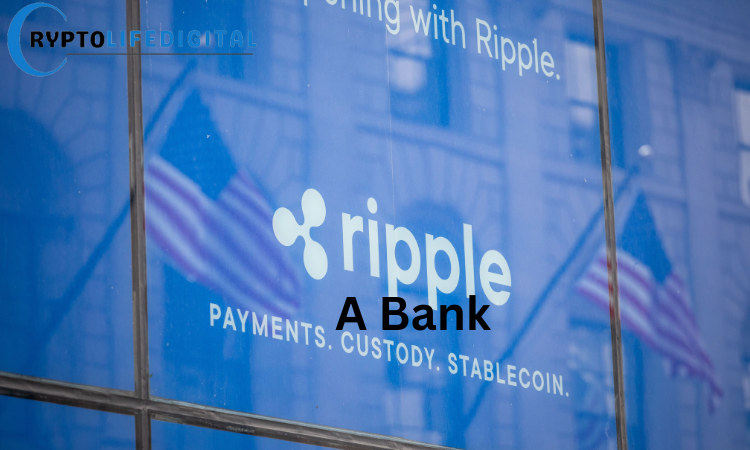
A notable divide is emerging within the United States digital asset industry as major players take opposing positions on the proposed market structure bill. Coinbase has reportedly withdrawn its support, citing concerns over provisions that could restrict stablecoin yield models. In contrast, Brad Garlinghouse and Ripple continue to advocate strongly for pushing the bill forward, emphasizing regulatory clarity and long term industry growth. This divergence highlights deeper strategic differences in how leading firms view regulation, revenue models, and the future of crypto finance in the US.
Read Also: XRP Ecosystem Breakthrough as RLUSD Gains Institutional Collateral Status
Why Coinbase Is Stepping Back
Coinbase’s hesitation centers on the bill’s treatment of stablecoins, particularly rules that may limit or prohibit yield generating mechanisms tied to them. Stablecoin yields have become an important component of exchange ecosystems, supporting user engagement, liquidity, and alternative revenue streams beyond spot trading fees.
From Coinbase’s perspective, restrictions on stablecoin yields could weaken competitiveness against offshore platforms and reduce innovation within compliant US markets. By pulling back support, the exchange signals concern that the bill, in its current form, may unintentionally harm consumer choice and stifle product development rather than foster healthy competition.
Ripple and Brad Garlinghouse Push for Progress
On the other side, Ripple and its CEO Brad Garlinghouse have taken a more pragmatic stance, continuing to support advancement of the market structure bill. Ripple’s position reflects its long standing emphasis on regulatory engagement and clear legal frameworks, particularly after years of navigating enforcement driven uncertainty.
For Ripple, comprehensive rules around market structure are seen as essential infrastructure. Even if some provisions are imperfect, having defined boundaries allows institutions, banks, and payment providers to operate with confidence. Garlinghouse has repeatedly argued that regulatory clarity, not regulatory absence, is the key to unlocking mainstream adoption and institutional capital.
Stablecoin Yields Versus Regulatory Certainty
At the heart of this split is a broader philosophical question. Should the industry prioritize preserving flexible yield opportunities, or should it accept tighter constraints in exchange for long term legal certainty. Coinbase’s model benefits directly from yield based products, making restrictions more impactful to its business. Ripple, by contrast, focuses on payments, liquidity, and enterprise integrations, areas less dependent on consumer yield incentives.
Read Also: Google Cloud Registers Cardano Stake Pool on Preview Testnet
This difference explains why Ripple may view the bill as a net positive, while Coinbase sees material downside risk.
What This Means for the Crypto Industry
The disagreement underscores that the crypto sector is not monolithic. Different business models produce different regulatory priorities. As lawmakers refine the market structure bill, industry fragmentation could influence negotiations, amendments, and timelines.
Ultimately, the outcome will shape how stablecoins, exchanges, and blockchain payment networks operate in the US for years to come. Whether compromise can be reached may determine if the bill becomes a foundation for growth or another source of division in the evolving crypto regulatory landscape.
Follow us on Facebook, Telegram, and Google News.
Dr. Olajide Samuel juggles the demands of medical studies with a passion for cryptocurrency. A seasoned blogger, Olajide shares his vast global knowledge of the crypto space, offering insights to enthusiasts. Despite his busy schedule, his commitment to crypto remains strong, and he actively seeks ways to contribute to its future.