

Cardano Governance Defies Expectations With a Smooth Decentralized Transition

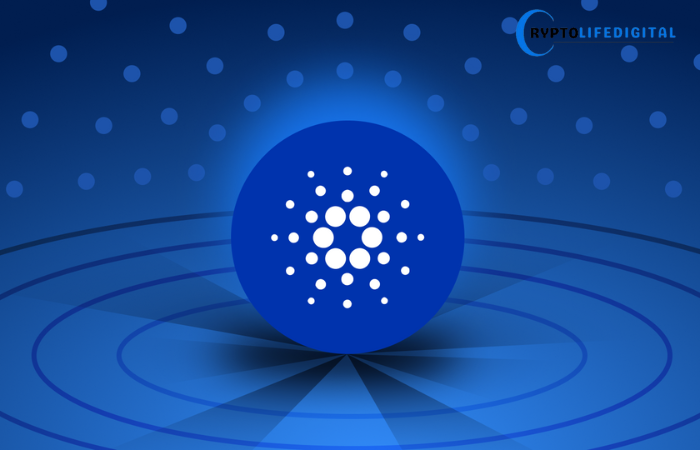
When Cardano activated full decentralized governance under its Voltaire era, many observers expected turbulence. On chain governance at scale often brings unforeseen challenges such as voting manipulation, technical bottlenecks, or poorly calibrated parameters. Months later, Cardano’s governance framework has instead delivered a surprisingly stable and functional rollout, reinforcing confidence in its long term design philosophy.
Read Also: Terraport Weekly Report Highlights Steady Deflation and Ecosystem Activity
From Theory to Reality Without the Chaos
Decentralized governance is frequently criticized as being fragile in real world conditions. In Cardano’s case, fears ranged from unbalanced voting power to governance capture by large holders. However, since the transition, there have been no major incidents tied to faulty thresholds, broken voting mechanics, or governance deadlocks.
The system has processed proposals, treasury discussions, and delegated voting flows without disruption. This outcome suggests that Cardano’s years of formal research, simulations, and staged rollouts translated effectively into practice rather than remaining theoretical ideals.
Delegated Representatives and Balanced Participation
A key pillar of Cardano’s governance success is the Delegated Representative model. Instead of forcing every holder to vote on every issue, users can delegate their voting power to representatives aligned with their values and expertise. This approach has reduced voter fatigue while maintaining decentralization.
Importantly, the distribution of delegated power has remained balanced. No single bloc has dominated decision making, and participation has reflected a diverse set of community interests. This balance has prevented the kind of governance capture that has destabilized other ecosystems.
Strong Parameter Design and Risk Management
Another factor behind the smooth launch is conservative parameter tuning. Governance thresholds, voting periods, and treasury safeguards were designed to prioritize stability over speed. While this meant slower initial decision making, it significantly reduced systemic risk.
The absence of rushed or controversial changes has allowed the governance process to mature organically. Over time, parameters can be adjusted through the same transparent mechanisms now proven to function reliably.
The Role of Institutions and Community Stewardship
The success of decentralized governance did not happen in isolation. Organizations such as the Cardano Foundation and development entities worked closely with the community to provide education, tooling, and clear documentation ahead of the transition.
Read Also: Institutions Rethink Money Movement
At the same time, thought leadership from figures like Charles Hoskinson helped set realistic expectations. Rather than promising perfection, the focus was on resilience, adaptability, and long term sustainability.
A Milestone for Cardano and the Industry
For Cardano, this period marks more than just a technical achievement. It represents proof that large scale decentralized governance can work when built deliberately. The calm rollout challenges the assumption that decentralization must be chaotic and positions Cardano as a reference model for future networks.
As governance activity increases heading into 2026, the foundation laid during these early months may prove to be one of Cardano’s most important achievements yet.
Follow us on Facebook, Telegram, and Google News.
Dr. Olajide Samuel juggles the demands of medical studies with a passion for cryptocurrency. A seasoned blogger, Olajide shares his vast global knowledge of the crypto space, offering insights to enthusiasts. Despite his busy schedule, his commitment to crypto remains strong, and he actively seeks ways to contribute to its future.